Source Wired Network Thermal Receipt Printer for Retail, Food, and Logistics
Compare 30 wired network thermal receipt printer options from verified suppliers. Buyers can evaluate specifications like print speed, resolution, and battery capacity to find the right device for retail, food service, or logistics applications.
Key considerations
Products List




Comprehensive Sourcing Guide
Strategic Sourcing Guide for Wired Network Thermal Receipt Printers
The procurement of wired network thermal receipt printers requires a precise understanding of the intersection between connectivity protocols, thermal printing mechanics, and the specific operational demands of retail and hospitality environments. While the term "wired network" often implies Ethernet or Wi-Fi capabilities, the available market data for compact thermal receipt solutions reveals a nuanced landscape where connectivity options vary significantly by model. Buyers must navigate a spectrum of devices ranging from standalone USB-connected units to those with specific network integration features. This guide provides a structured approach to evaluating these devices, focusing on technical specifications, supply chain reliability, and quality assurance protocols derived from current market observations.
Connectivity Protocols and Network Capabilities
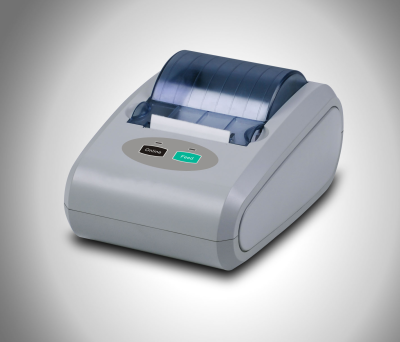
A primary consideration in sourcing thermal receipt printers is the verification of network functionality. In the current product landscape, there is a distinct divergence between models that support network integration and those designed for direct, point-to-point connections. A significant portion of compact thermal printers, particularly those with smaller form factors like the 58mm series, are observed to lack network support entirely. These devices typically rely on USB interfaces for direct communication with a host computer or POS terminal. The absence of network functionality in these units necessitates a wired connection strategy where the printer is physically tethered to the point of sale, limiting mobility but ensuring a stable, low-latency connection without the complexity of network configuration.
Conversely, specific models in the 80mm category are observed to support wireless network functions, offering a different set of deployment advantages. However, for buyers specifically seeking "wired network" solutions, it is critical to distinguish between devices that support Ethernet and those that rely on USB or serial interfaces. The data indicates that many compact units, such as the MP-58MINI and MP-58C models, are compatible with POS/ESC commands but do not explicitly list network support in their standard configurations. Buyers must verify the interface type for each specific SKU. Some units are confirmed to utilize USB interfaces, which, while wired, do not constitute a networked device in the traditional sense of being accessible by multiple terminals over a LAN. Therefore, the procurement strategy must begin with a clear definition of whether the requirement is for a direct wired connection (USB) or a networked wired connection (Ethernet), as the latter is less common in the ultra-compact thermal segment and may require specific model selection or additional gateway hardware.
Technical Specifications and Performance Metrics
When evaluating the technical performance of thermal receipt printers, several key metrics determine suitability for high-volume environments. The printing method for these devices is consistently thermal line printing, which relies on heat-sensitive paper to produce images without the need for ink or toner. This method offers significant operational advantages regarding maintenance and print quality consistency. The resolution of these printers is a critical factor in legibility, particularly for barcodes and small text. Market observations show that compact 58mm models often feature a maximum resolution of 384 dots per line, providing high-density output suitable for detailed graphics and complex barcodes. In contrast, 80mm models may offer resolutions of 203 dots per line, which is standard for general receipt printing but may be insufficient for high-density data encoding.
The physical dimensions and paper handling capabilities are equally important. The maximum paper size supported varies by model, with 58mm printers accommodating rolls up to 40mm in diameter and 80mm printers supporting rolls up to 80mm in diameter. The supply paper mode is another variable; while some units operate in automatic mode, others require manual intervention. For high-throughput environments, automatic paper supply is preferred to minimize downtime. The printing speed is another performance indicator, with observed speeds ranging from 70 to 90mm per second for compact models. This speed is adequate for most retail transactions but may require assessment against peak-hour volume requirements. Additionally, the battery capacity, often cited as 1500mAh with a 7.4V rating in portable models, ensures operation during power outages or in mobile settings, though this feature is less relevant for fixed wired network installations.
Cost Drivers and Procurement Economics
The total cost of ownership for thermal receipt printers is influenced by several factors beyond the initial unit price. The observed price range in the market spans from $0.10 to $150, a wide variance that reflects differences in build quality, feature sets, and order volumes. The minimum order quantity (MOQ) also varies significantly, ranging from 1 unit to 5000 units, which impacts the unit economics for small retailers versus large chains. Buyers must consider that lower-priced units often correspond to lower MOQs or basic configurations, while higher-priced units may include advanced features like network capabilities or robust build quality.
The cost drivers also include the power requirements and the type of power adapter supplied. Some models utilize a 5V-1A adapter, while others require a 7.4VDC/2000mA adapter, which can affect the cost of replacement power supplies and the compatibility with existing power infrastructure. The single package size and weight are logistical cost factors; for instance, a unit with a single gross weight of 1.000kg and dimensions of 15x13x8cm will incur different shipping costs compared to a lighter, more compact unit. Buyers should calculate the landed cost, including shipping, duties, and any potential customs fees, especially when sourcing from origins such as Fujian, Xiamen. The warranty period, typically observed as one year, and the after-sales service terms, such as free spare parts or return and replacement policies, are also critical components of the cost analysis. A longer warranty or more comprehensive service package can reduce long-term operational risks and costs.
Compliance, Certification, and Quality Assurance
Ensuring that thermal receipt printers meet regulatory and quality standards is essential for B2B procurement, particularly in industries with strict compliance requirements. While specific certification status is not universally asserted for all listed products, buyers must verify compliance with relevant electrical safety standards and electromagnetic compatibility (EMC) regulations. The product origin, such as Fujian, Xiamen, indicates the manufacturing region, but does not automatically confer certification status. Buyers should request documentation proving that the devices meet the safety standards of the destination market, such as CE, FCC, or RoHS compliance, depending on the region of operation.
Quality control measures should be a priority during the supplier evaluation phase. The presence of a private mold capability suggests that some manufacturers can customize the physical design of the printer, which can be a significant advantage for branding and ergonomic optimization. However, customization introduces additional complexity in the quality assurance process. Buyers should implement a rigorous inspection protocol that includes testing the printing resolution, verifying the interface compatibility (USB or network), and assessing the durability of the paper feed mechanism. The command set compatibility, specifically with POS/ESC commands, is a critical quality check to ensure seamless integration with existing point-of-sale software. Failure to verify this compatibility can lead to integration issues that disrupt operations.
Supplier Evaluation and Supply Chain Reliability
Selecting the right supplier involves more than just comparing unit prices; it requires a holistic assessment of the supplier's capabilities and reliability. The availability of customization options, such as private molds, is a strong indicator of a supplier's flexibility and willingness to partner with buyers for tailored solutions. However, buyers must also evaluate the supplier's capacity to meet lead times and maintain consistent quality. The observed lead times and production capacities vary, and buyers should establish clear communication channels to monitor production progress.
The after-sales service is another critical factor in supplier evaluation. The market data indicates that some suppliers offer free spare parts and return and replacement services, which are valuable assets in mitigating the risk of equipment failure. Buyers should inquire about the specific terms of these services, including response times and the availability of technical support. The presence of a development kit (SDK) or the lack thereof is also a consideration; some models are noted to have no SDK, which may limit the ability to integrate the printer with custom software solutions. Buyers requiring deep integration should prioritize suppliers that provide comprehensive software support and documentation.
Long-Term Procurement Considerations and Application Scenarios
The long-term viability of a thermal receipt printer investment depends on its alignment with the specific application scenario. For retail environments requiring high-speed, high-volume printing, the 80mm models with automatic paper supply and network capabilities may be the optimal choice. In contrast, small kiosks or mobile vendors may benefit from the compact 58mm models with battery support and USB connectivity. The printing content capabilities, including support for English, numbers, symbols, graphics, curves, and icons, must be verified to ensure the printer can handle the specific data requirements of the business.
Sustainability and maintenance are also long-term considerations. Thermal printing eliminates the need for ink, reducing consumable costs and environmental impact. However, the reliance on thermal paper means that supply chain continuity for paper rolls is essential. Buyers should establish relationships with paper suppliers to ensure a steady supply of compatible rolls. The warranty period and the availability of spare parts, such as print heads and rollers, are critical for maintaining operational continuity over the device's lifespan. A one-year warranty is standard, but buyers should negotiate extended warranty terms or service level agreements (SLAs) for critical deployments.
Comparative Analysis of Key Model Attributes
To facilitate decision-making, the following table summarizes the key attributes of the observed product models, highlighting the differences in specifications that influence procurement choices.
| Attribute | MP-58MINI / MP-58C (58mm Series) | MP-80M (80mm Series) |
|---|---|---|
| Max Paper Size | 58mm | 80mm |
| Max Roll Diameter | 40mm | 80mm |
| Max Resolution | 384 dots/Line | 203 dots/Line |
| Network Function | Not Support (Typically) | Wireless Network (Observed) |
| Interface Type | USB | USB / Network (Varies) |
| Battery | 1500mAh 7.4V | Rechargeable Lithium |
| Printing Speed | 70-90mm/S | Not Specified |
| Power Adapter | 5V-1A | 7.4VDC/2000mA |
| Net Weight | 205g | 0.35kg |
| Dimension | 1007545mm | 12510562mm |
| Command | POS/ESC Compatible | POS/ESC Compatible |
| Customization | Private Mold Available | Private Mold Available |
This comparison underscores the importance of matching the printer's technical specifications to the specific operational needs of the business. The 58mm series offers higher resolution and compactness, suitable for detailed receipts and space-constrained environments, while the 80mm series provides larger print areas and potentially more robust networking options.
Final Procurement Recommendations
In conclusion, sourcing wired network thermal receipt printers requires a meticulous approach that balances technical specifications, cost considerations, and supplier reliability. Buyers must carefully verify the network capabilities of each model, as the market contains a mix of USB-only and network-enabled devices. The technical attributes, such as resolution, paper size, and printing speed, should be aligned with the specific volume and quality requirements of the intended application. Compliance and quality assurance measures must be rigorously enforced to ensure that the devices meet regulatory standards and perform reliably over time. By leveraging the available market data and conducting thorough supplier evaluations, buyers can make informed decisions that optimize their procurement outcomes and support their operational efficiency. The long-term success of the deployment depends on selecting the right balance of features, support, and cost, ensuring that the chosen printers serve as a reliable foundation for business operations.
FAQs
Can I find wired network thermal receipt printers with automatic paper supply?
Most compact models lack network support and rely on USB interfaces. Some 80mm units support wireless networks, but wired Ethernet is rare in this segment. Verify the interface type for each specific SKU to ensure it meets your connectivity needs.
What is the maximum paper size supported by these thermal printers?
The maximum paper size varies by model, with 58mm printers supporting rolls up to 40mm diameter and 80mm models supporting up to 80mm. Ensure the selected unit matches your receipt width requirements for optimal performance.
Which resolution options are available for high-density barcode printing?
Compact 58mm models often feature a maximum resolution of 384 dots per line for detailed graphics. In contrast, 80mm models may offer 203 dots per line, which is standard for general receipts but less dense.
How long is the warranty period for these thermal receipt printers?
The standard warranty period observed is typically one year for these devices. Buyers should also check for after-sales service terms like free spare parts or return policies to mitigate long-term operational risks.
Can these printers operate with a rechargeable battery for mobile use?
Yes, portable models often include a 1500mAh 7.4V rechargeable lithium battery for operation during power outages. This feature is less relevant for fixed wired network installations but useful for mobile vendors.
What is the minimum order quantity for sourcing these printers?
The minimum order quantity varies significantly, ranging from 1 unit to 5000 units depending on the supplier and configuration. Lower-priced units often correspond to lower MOQs, impacting unit economics for small retailers.
Do these printers support customization with private molds?
Some manufacturers offer private mold capabilities, allowing for customized physical designs and branding. This flexibility is a strong indicator of a supplier's ability to partner for tailored solutions but adds complexity to quality assurance.
Which interface types are compatible with POS systems for these printers?
Many units utilize USB interfaces for direct communication with host computers or POS terminals. They are typically compatible with POS/ESC commands, though network integration requires specific model selection or additional gateway hardware.